


What is an LVN?
LVN vs. LPN: Is There a Difference?
No. Licensed Vocational Nurse (LVN) and Licensed Practical Nurse (LPN) mean the same thing. The title simply depends on the state.
Licensed practical nurses (LPNs) are essentially LVNs. The difference is limited to the title, which is determined solely by state. The terms are generally used interchangeably, as the positions’ duties and requirements are equal.
To become an LVN, you need a high school diploma or GED, followed by a state-approved nursing program. These programs usually take one to two years to complete and are offered at colleges such as Jersey College, as well as universities, vocational schools, community colleges, and online programs. Graduates typically earn a diploma, degree, or certificate.
After completing training, vocational nurses must pass the National Council Licensure Examination (NCLEX-PN), a national exam that tests nursing knowledge and skills. Passing this exam qualifies them to begin working as LVNs or LPNs.
If you’re seeking a program in practical nursing to become an LPN/LVN, Jersey College offers LPN programs at several New Jersey and Florida campuses.
Program length is subject to change and is determined based on a number of factors, including, but not limited to: (i) pace of completion, (ii) quantity of credits taken per term, (iii) repeats of coursework, and (iv) leaves.
Where do LVNs Work?
Licensed vocational nurses provide care for patients in a wide range of settings. Some examples include hospitals, physicians’ offices, rehabilitation centers, outpatient clinics, and nursing homes. Additional workplaces where you might find LVNs are:
- Blood banks
- Dialysis centers
- Psychiatric centers
- Extended care facilities
- Correctional facilities
Vocational nurses also work in schools and private homes, often full-time, spending long shifts on their feet. All positions for licensed vocational nurses are impactful, and some are more autonomous, like home health and nursing homes.
What Technical Skills and Knowledge are Learned in LVN Programs?
Vocational nursing is a demanding job with a wide range of duties, both physical and clerical. LVNs must have:
- A solid foundation in nursing and medical training
- Physical stamina
- Attention to detail
- Compassion
- Focus under pressure
- Effective communication
- Discretion
- Time management
- Multi-tasking abilities
A range of material is covered in vocational nursing school programs, from organic sciences to hands-on training, including various subjects which contribute to the myriad demands of providing quality patient care.
The required training for LVNs takes 1-2 years and varies by state. Some states offer 1-year LVN nursing programs. Others have 2-year associate degrees.
The subjects learned in a nursing program include, but aren’t limited to
- Nutrition
- Pharmacology
- Therapeutic, rehabilitative, and preventative nursing
- Legal and ethical responsibilities
- Cultural considerations for diverse patients
- Physiology
- Anatomy
Beyond the standard training courses for basic licensing standards, a variety of diverse additional certifications are available to enhance vocational nurses’ qualifications. Extra training and certification in specialty fields are required for some positions and can help LVNs with advancement.
What are the Job Responsibilities of an LVN?
Commonly employed in hospitals and other medical facilities, licensed vocational nurses report to registered nurses and physicians, assisting in nursing care and performing the following tasks:
- Provide the first point of contact and bedside care for patients
- Assess and monitor vitals, update charts, and report patient status to superiors
- Tend to patients' basic needs, like dressing, bathing, and comfort maintenance
- Organize and administer medication, change bandages, draw blood, and insert catheters
- Prep patients for surgery and treatment
- Clean and manage medical supplies
- Discuss care plans with patients and care teams
What Is the Average Salary of an LVN?
LVNs typically earn between $47,000 and $80,000 per year, according to data from the Bureau of Labor Statistics.
Licensed vocational nursing is a promising career path offering attractive entry-level salaries and opportunities for growth. LPNs and vocational nurses earn an average salary of $50,000, with a 10% pay varying by experience level and location.
Salaries for all types of practical/vocational nurses vary by state, region, cost of living, and care setting. For example, nurses in doctors' offices tend to earn less than those in residential care facilities, while hospital LPNs tend to earn the most.
Vocational nurses who advance their education to become nursing administrators or registered nurses can increase their potential earnings significantly.
With the rising statistics for chronic disease and the average American lifespan, healthcare professions are increasingly in demand. Growth is expected within the practical nursing field over the next decade (2024-2034) at a rate of 3%.
Learn more in our Nursing Salary Guide.
What are the Differences Between an LVN and an RN?
Licensed vocational nurses and registered nurses frequently work alongside one another, but becoming an RN requires a higher level of education, such as an associate’s degree in nursing, although there are track options for LVN to RN training.
Because registered nurses oversee LVNs and perform more in-depth job duties, such as patient assessments and diagnostic tests, their salary is usually higher. However, both positions are vital to ongoing public health needs and play integral roles in patient care.
It’s not uncommon for those entering the field to start in practical nursing, such as an LVN role, to determine whether it’s a good fit, then advance to other roles like registered nursing. Again, becoming a registered nurse requires more training, additional examination for licensing, and added work responsibilities.
To learn more about the differences between practical or vocational nurses and registered nurses, visit our guide: LPN vs RN.
Additional Resources
Still curious to learn more about the LVN/LPN career path? This indispensable, in-demand career lets you can make a difference and gain priceless knowledge and valuable experience through caring for others.
Learn more here:
For further information and additional resources, check out these organizations and associations for nurses:
Become a Nurse with Jersey College
Becoming a medical practitioner is no small undertaking. If you’re looking to get a nursing degree, Jersey College is here for you. Whether you’re just starting your first course or years into your journey, you’ve come to a place that can support your needs. We’re here to make sure you start your career with every advantage you can possibly get.
If you want to learn more about the Nurse Life, we’re here to help. You can speak to your campus Admissions representative – we look forward to meeting you soon!
With over two decades of experience training future nurses, Jersey College’s nursing programs are designed and taught by seasoned educators and healthcare professionals.
Success Stories

“My decision to return to school and change careers made it very important for me to pick the right learning institution. Choosing Jersey College absolutely changed my life. The clinical and academic skills they teach you will give you all you need to become a successful licensed nurse.”
Virginia T.
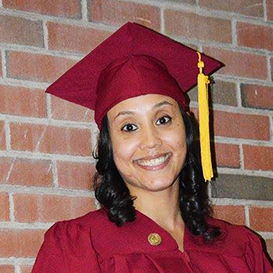
“I was able to complete the Practical Nursing program and pass the NCLEX on my first try. For this reason I will always be grateful for Jersey College!”
Elaine R.
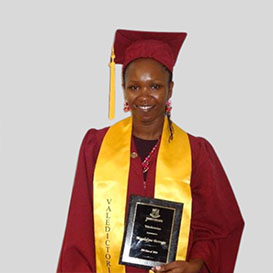
“I graduated from Jersey College 7 years ago to become an LPN. I thank Jersey College for my nursing foundation as this year I completed my MSN and am now a licensed FNP-BC!”
Magdalyne B.
-
“My decision to return to school and change careers made it very important for me to pick the right learning institution. Choosing Jersey College absolutely changed my life. The clinical and academic skills they teach you will give you all you need to become a successful licensed nurse.”
Virginia T.
-
“I was able to complete the Practical Nursing program and pass the NCLEX on my first try. For this reason I will always be grateful for Jersey College!”
Elaine R.
-
“I graduated from Jersey College 7 years ago to become an LPN. I thank Jersey College for my nursing foundation as this year I completed my MSN and am now a licensed FNP-BC!”
Magdalyne B.
Find Your Campus
Based on the success of our programs, we have grown to serve communities in 7 states (and counting!). Find a campus near you to start your NurseLife.
- New Jersey
- Ewing
- Professional Nursing (ADN): LPN to RN Bridge
- Practical Nursing (PN): LPN Program
- Teterboro
- Professional Nursing (ADN): LPN to RN Bridge
- Practical Nursing (PN): LPN Program
- Ewing